A healthy food routine is the foundation of a strong body, sharp mind, and balanced lifestyle. What you eat daily affects your energy, mood, skin, weight, digestion, and overall wellness. Many people think healthy eating is difficult or expensive, but the truth is: simple daily habits can create a huge difference.
This article shares an easy, beginner-friendly healthy food routine you can follow every day to feel more active, fresh, and healthy.
Contents
What Is a Healthy Food Routine?

A healthy food routine means creating a daily pattern of eating nutritious meals on time. It includes choosing whole foods, staying hydrated, eating balanced portions, and avoiding unhealthy habits.
A good routine doesn’t require strict dieting — it focuses on long-term healthy choices.
Why a Healthy Food Routine Matters
-
Boosts natural energy
-
Supports weight management
-
Improves digestion
-
Enhances skin and hair health
-
Strengthens immunity
-
Helps you stay mentally focused
-
Prevents long-term health problems
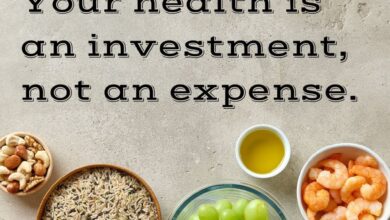
Eating smart daily is an investment in your future well-being.
Daily Healthy Food Routine
Morning Nutrition Habits

Start With Warm Water
Begin your day with warm water or lemon water. It detoxes your system and boosts metabolism.
Eat a Nutritious Breakfast
Breakfast gives your body the fuel it needs after a long night. Healthy options include:
-
Oats with fruits
-
Eggs
-
Yogurt with nuts
-
Whole-grain bread
-
Smoothies or shakes
Breakfast should always be rich in protein and fiber.
Mid-Morning Snack
Avoid long gaps between meals. Choose a healthy, small snack:
-
Fruit like apple, banana, orange
-
A handful of nuts
-
Coconut water
-
Green tea
These keep your energy steady and prevent overeating later.
Healthy Lunch Routine
Aim for a Balanced Plate
Your lunch should include:
-
Protein: chicken, fish, eggs, lentils
-
Carbs: rice, whole wheat roti, quinoa
-
Vegetables: cooked or raw
-
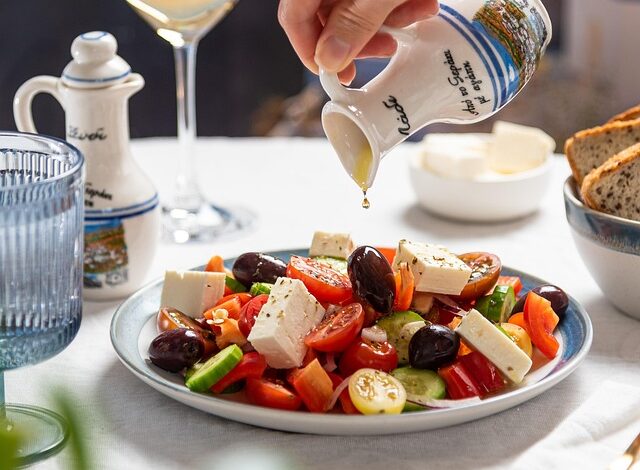
Healthy fats: olive oil, nuts, seeds
A balanced lunch keeps your stomach full and prevents afternoon fatigue.
Eat Slowly
Mindful eating improves digestion and helps you avoid overeating.
Evening Snack Options
This is the time when most people crave junk food. Choose healthier alternatives:
-
Roasted chickpeas
-
Fruit salad
-
Smoothies
-
Green tea
-
Peanut butter on toast
Light, healthy snacks help maintain energy without adding unnecessary calories.
Dinner Routine
Keep It Light
Dinner should be lighter than lunch but still balanced. Good options:
-
Grilled chicken or fish
-
Vegetable soup
-
Steamed vegetables
-
Lentils
-
Salad with yogurt
Avoid heavy, oily, or fried foods at night.
Avoid Late-Night Eating
Try to finish dinner at least 2–3 hours before sleeping. Late eating can disturb digestion and sleep.
Healthy Eating Habits to Follow Daily
Stay Hydrated
Water is essential for digestion, skin health, detoxification, and energy. Drink 8–10 glasses a day. You can also include:
-
Herbal tea
-
Coconut water
-
Lemon water
Choose Whole Foods
Replace processed foods with natural options:
-
Whole grains instead of white bread
-
Fresh fruits instead of sugary desserts
-
Homemade meals instead of fast food
Whole foods give you more nutrients and keep you full longer.
Include More Fiber
Fiber improves digestion and prevents constipation. Fiber-rich foods include:
-
Oats
-
Vegetables
-
Fruits
-
Beans
-
Chia seeds
Eat More Colors
A colorful plate means a variety of vitamins and minerals:
-
Greens for iron
-
Orange foods for immunity
-
Red for antioxidants
-
Purple for heart health
Limit Sugar and Junk Food
Sugary drinks, chips, and fast food can cause weight gain, acne, and low energy. Take them occasionally, not daily.
Weekly Meal Planning Tips
Prepare Grocery Lists
Plan your meals and buy ingredients in advance to avoid unhealthy choices.
Cook at Home
Home-cooked food is healthier, cleaner, and better for your body.
Portion Control
Even healthy food can cause problems if you overeat. Keep portions moderate.
Benefits of a Healthy Food Routine
-
More energy throughout the day
-
Clearer skin and improved hair health
-
Better digestion and metabolism
-
Stronger immunity
-
Improved mood and mental clarity
-
Better sleep quality
-
Long-term health protection
A smart eating routine transforms your lifestyle one meal at a time.
Conclusion
A healthy food routine is not about dieting — it’s about building small habits that support your body every day. By choosing whole foods, staying hydrated, eating balanced meals, and avoiding junk, you can enjoy long-lasting health and wellness.
Start small, stay consistent, and your body will reward you with strength, energy, and confidence.
FAQs
1. What is the simplest healthy food routine?
Start your day with water, eat balanced meals, and include fruits and vegetables daily.
2. How many meals should I eat daily?
Three main meals with 1–2 healthy snacks are ideal for most people.
3. Can a healthy food routine improve skin?
Yes! Nutrient-rich foods and hydration make your skin glow naturally.